


ELSA Speak: English Learning
4.63.87K Reviews
App Specs
- Version
- 9.1.8
- Updated On
- License
- Free
- Downloads
- 10,000,000+
- Developer
- ELSA Speak
- Categories
- Education
- Platform
- Android, iOS
Screenshots

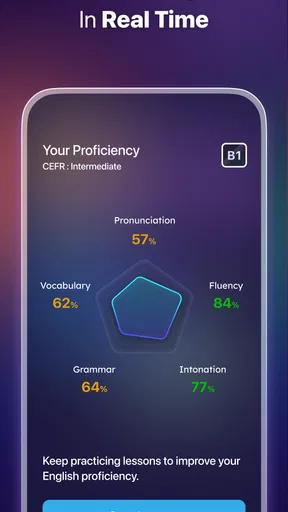
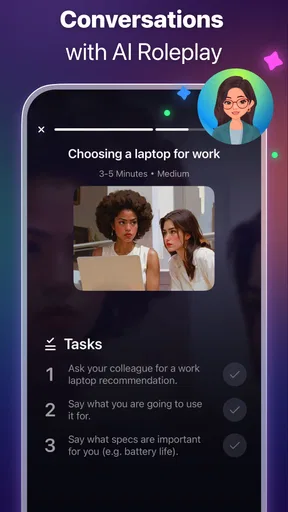

 Analysis by AppCompare
I judge pronunciation apps by what happens after the first burst of enthusiasm: whether they help me keep practising when the novelty wears off. ELSA Speak: English Learning is built around that practical problem. It gives English learners a focused place to work on spoken sounds, and its immediate corrections can make a short practice session feel more useful than simply repeating phrases without knowing what to adjust.
Why the first week can feel rewarding
In the early sessions, the appeal is easy to understand. I can open the app, speak aloud, and get a response tied to the words I just tried. That makes the next step clearer than listening to a pronunciation example and hoping I have copied it accurately. The short lesson format also lowers the effort required to begin: I don’t need to set aside a full study period to do a little practice.
The early feedback is most helpful when I treat it as a pointer rather than a verdict. If a sound is repeatedly flagged, I can slow down, listen to the word again, and try it in a phrase instead of rushing through a whole lesson. A useful routine is to note one sound or speaking habit to focus on, then revisit it in later practice. Trying to fix every detail at once can turn an encouraging first week into a string of corrections.
What keeps it useful from month to month
The longer-term value depends on whether I connect practice to something I actually need to say. Someone preparing for a presentation can work through relevant phrases, then practise delivering them at a natural pace. A learner who speaks English at work might use a brief session before a call to warm up, while a traveller could focus on saying common questions clearly. These are small, repeatable uses—not a substitute for real conversations, but a way to arrive at them better prepared.
It also helps to revisit earlier trouble spots rather than treating each completed lesson as a finish line. A score or progress view can provide a nudge, but the more meaningful test is whether a phrase feels easier to say later without staring at the screen. I’d use the app to identify and practise weak points, then try those sounds in ordinary conversation. That transfer from phone practice to real speech is where the habit starts to matter.
How much effort the habit asks for
Keeping up with pronunciation practice is less about finding a long block of free time and more about being willing to speak aloud regularly. That can be awkward on a crowded bus, in a shared office, or at home when other people are nearby. I’d choose a quiet moment, use a short session, and stop once my attention starts slipping. Tired repetition is not automatically productive repetition.
There is also a difference between improving a sound in a controlled exercise and using it smoothly while thinking about meaning. I wouldn’t expect app practice alone to make spontaneous conversation effortless. Pairing a lesson with a voice note, a short spoken summary of the day, or an actual conversation gives me a way to check whether the practice is carrying over. If I only want to understand English better through reading and listening, this pronunciation-first focus may not be the best use of my study time.
Worth Reading Before You Choose

EA SPORTS FC Mobile 26 Is a Bigger Football Game, but It Takes Time

Flipboard Shows What News Apps Must Do Beyond the Feed

Switching to Android Auto Means Rethinking Your Driving Routine

Google Calendar Makes a Crowded Week Easier to Manage

Ludo King Makes the Most of the Minutes Between Plans

Baby Panda World Brings Quick Play to Modern Phones, but Its Game Library Feels Busy
Where the feedback can wear thin
Frequent correction is useful when it points to something I can change, but it can also make practice feel overly exacting. I may pronounce a phrase well enough to be understood and still find that the app wants a closer match to its target. That doesn’t make the feedback worthless; it means I should keep my goal in view. For clear everyday speech, intelligibility and confidence matter more than chasing a perfect score on every attempt.
Compared with a general language-learning course, this is a narrower tool. Broad courses are usually a better fit when I need to build vocabulary, grammar, reading, or listening from the ground up. An ordinary dictionary can answer a quick word question, but it won’t provide the same speaking practice and correction loop. ELSA makes more sense when pronunciation is the specific bottleneck; it is less compelling if I mainly want a wide-ranging English curriculum or conversation with another person.
Who is likely to stick with it
I’d recommend trying it to learners who already have words and phrases they want to say but feel unsure about how they sound. It can also suit people who prefer private practice before speaking in a group, since they can repeat a line without asking a conversation partner to wait. On the other hand, someone who dislikes recording their voice, wants only grammar instruction, or needs live back-and-forth conversation may be better served by a different kind of learning resource.
For an everyday routine, I’d attach a short practice session to a moment that already exists—perhaps before starting work or while preparing for a lesson—rather than promising myself an ambitious daily schedule. I’d pick one recurring challenge, practise it in a few different phrases, and later listen for it in my own speech. That approach makes the app a tool for deliberate practice rather than another streak to maintain.
First Impressions
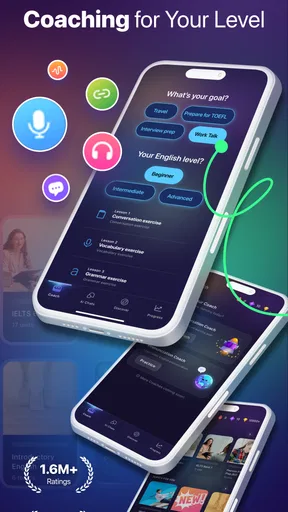
When you first open ELSA Speak, you’re greeted with a clean, user-friendly interface. It’s intuitive, and even if you’re not tech-savvy, you’ll find your way around easily. The app kicks things off with a short assessment to gauge your current level, and from there, it tailors lessons to your specific needs. Pretty neat, right?
The Learning Experience
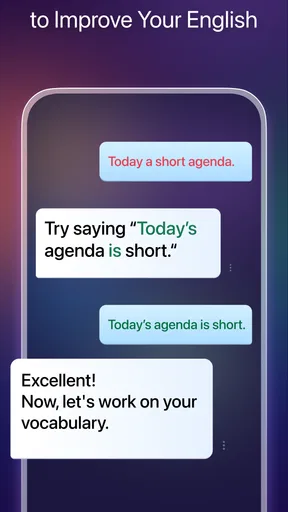
What sets ELSA apart is its speech recognition technology. It’s like magic—seriously. You speak into your phone, and the app gives you immediate feedback on your pronunciation. It highlights which sounds you nailed and which ones need a bit more work. It’s kind of like having a friend who’s brutally honest but in the nicest way possible.
The lessons are short and sweet, perfect for squeezing in some learning during a coffee break or a commute. They’re also themed around real-world topics, so you’re not just learning isolated words but phrases and sentences you can actually use. Plus, the app offers tips on intonation and stress, which are crucial if you want to sound more like a native speaker.
Features That Shine
One of my favorite features has to be the progress tracker. It’s motivating to see how much you’ve improved over time. The app also has a dictionary feature where you can look up words and get a detailed breakdown of how to pronounce them. This is super handy if you come across a word you’re not familiar with in your day-to-day life.
ELSA’s community feature lets you connect with other learners and share tips and experiences. It’s a nice touch, adding a social element to what could otherwise be a solitary activity. And if you’re competitive like me, you’ll appreciate the scoring system that challenges you to beat your previous records.
What Could Be Better
While the app is pretty fantastic, it isn’t without its quirks. Sometimes, the feedback can be a bit too nitpicky. I mean, we’re not all aiming to sound like newscasters, right? Also, while the free version offers a decent amount of content, to unlock the full potential of ELSA, you’ll need to go for the premium subscription. It’s reasonably priced, but it’s something to consider if you’re on a tight budget.
Final Thoughts
At the end of the day, ELSA Speak: English Learning is a solid app for anyone serious about improving their English pronunciation. Whether you’re prepping for a big presentation, planning to travel, or just want to sound more polished, ELSA can help you get there.
The convenience of having a personalized learning tool at your fingertips is hard to beat. Give it a shot, and you might just find yourself speaking English with newfound confidence. And hey, who doesn’t want that?
Practical details before you commit
ELSA Speak is an education app from ELSA Speak, and it is free to download, with in-app purchases ranging from $0.99 to $849.99 per item. I’d begin with the free experience and decide whether the practice suits my routine before paying for more. The wide range of purchase amounts makes it worth checking the specific option and terms shown in the app rather than assuming every learner needs the same plan.
It has a 4.6 average from around 970,000 ratings, with over 10 million installs, so it is a well-established choice among learners. The app is rated for Everyone, was released on February 1, 2016, and version 8.1.7 requires Android 7.0 or later. Those details make it straightforward to check basic compatibility, though I’d still make sure my device meets the requirement before planning a routine around it.
My lasting verdict is that this app earns a place on my phone when I have a clear speaking goal and can practise consistently in a quiet setting. Its strongest recurring value is the focused cycle of saying a phrase, seeing where it needs work, and trying again. It is not a replacement for broad language study or the unpredictability of speaking with people, and its detailed corrections may not suit everyone. But for a learner who wants a manageable way to work on pronunciation between real conversations, I’d give it a try and judge it by whether those conversations gradually feel easier.
Pros
- Interactive speaking exercises boost confidence.
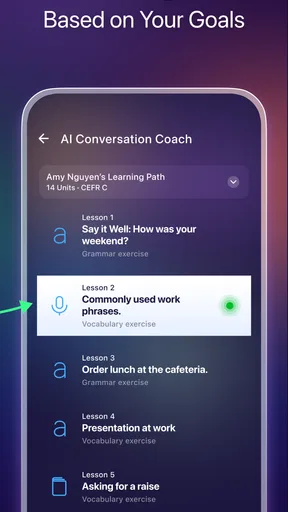
- AI feedback offers personalized learning paths.
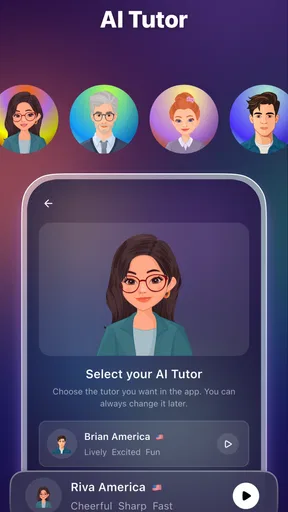
- Wide variety of accents for real-world practice.
- User-friendly interface with intuitive navigation.
- Progress tracking keeps motivation high.
Cons
- Premium features require a subscription.
- Limited offline functionality reduces flexibility.
- High data usage for real-time feedback.
- Accent recognition can be inconsistent.
- Some exercises feel repetitive over time.
FAQs for ELSA Speak: English Learning
What is ELSA Speak and how does it help improve English pronunciation?
ELSA Speak is an AI-powered app designed to help users improve their English pronunciation. It offers personalized feedback and exercises by analyzing your speech, pinpointing areas for improvement. The app provides tailored lessons based on your level, helping you practice difficult sounds and gain confidence in speaking English fluently.
Is ELSA Speak suitable for all levels of English learners?
Yes, ELSA Speak caters to all levels, from beginners to advanced speakers. The app assesses your current proficiency and creates a customized learning path. Whether you’re just starting or looking to refine your accent, ELSA Speak offers targeted lessons to suit your specific needs and goals.
Can ELSA Speak be used offline, and are there any limitations?
ELSA Speak offers offline capabilities for some features. You can download lessons in advance to practice without an internet connection. However, for real-time feedback and some advanced features, an internet connection is required to access the app's full potential and AI-driven analysis.
What devices are compatible with ELSA Speak, and is there a cost involved?
ELSA Speak is compatible with both Android and iOS devices. The app offers a free version with basic features, while a premium subscription unlocks more comprehensive lessons and advanced feedback. Pricing for the premium version varies, and subscriptions can be monthly or annually.
How does ELSA Speak personalize the learning experience for users?
ELSA Speak uses advanced AI technology to analyze your speech patterns and identify specific areas for improvement. The app then creates a personalized learning plan with exercises tailored to your needs. This approach ensures efficient learning by focusing on your weaknesses and tracking your progress over time.


